< Volver
Tubos rígidos y flexibles en conexiones fluídicas
Los tubos rígidos sirven para recorridos estables y definidos; los flexibles facilitan el encaminamiento, la curvatura y la tolerancia a vibraciones.
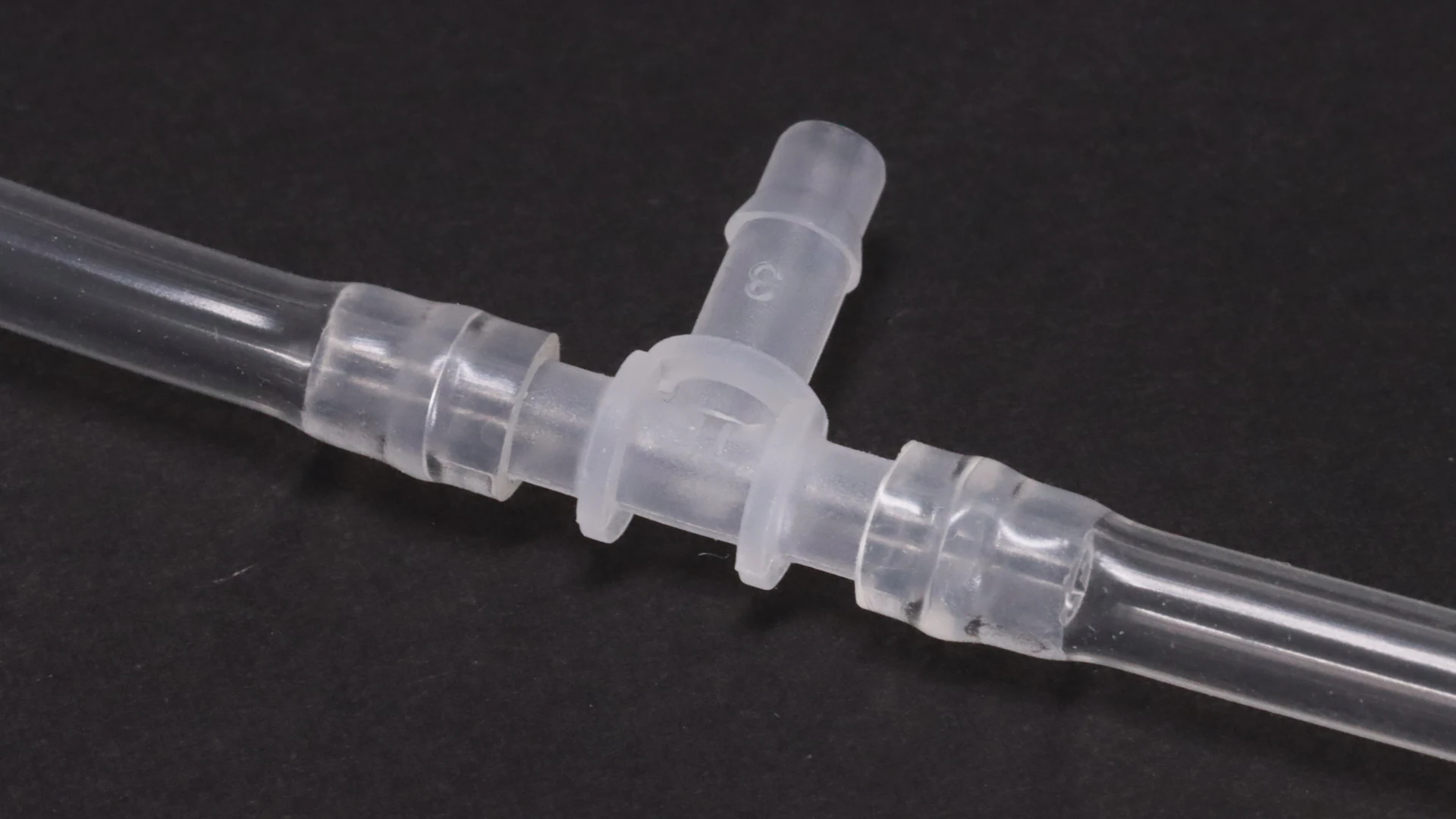

Los tubos rígidos sirven para recorridos estables y definidos; los flexibles facilitan el encaminamiento, la curvatura y la tolerancia a vibraciones.
Comparta con Foreach el fluido, el rango de presión, el tamaño del tubo, las condiciones de aplicación o los planos para confirmar el producto adecuado.