< Back
Low-Pressure vs. High-Pressure Fittings: Key Differences
Low-pressure fittings focus on assembly efficiency and sealing reliability, while high-pressure fittings require stronger structure, sealing design and pressure stability.
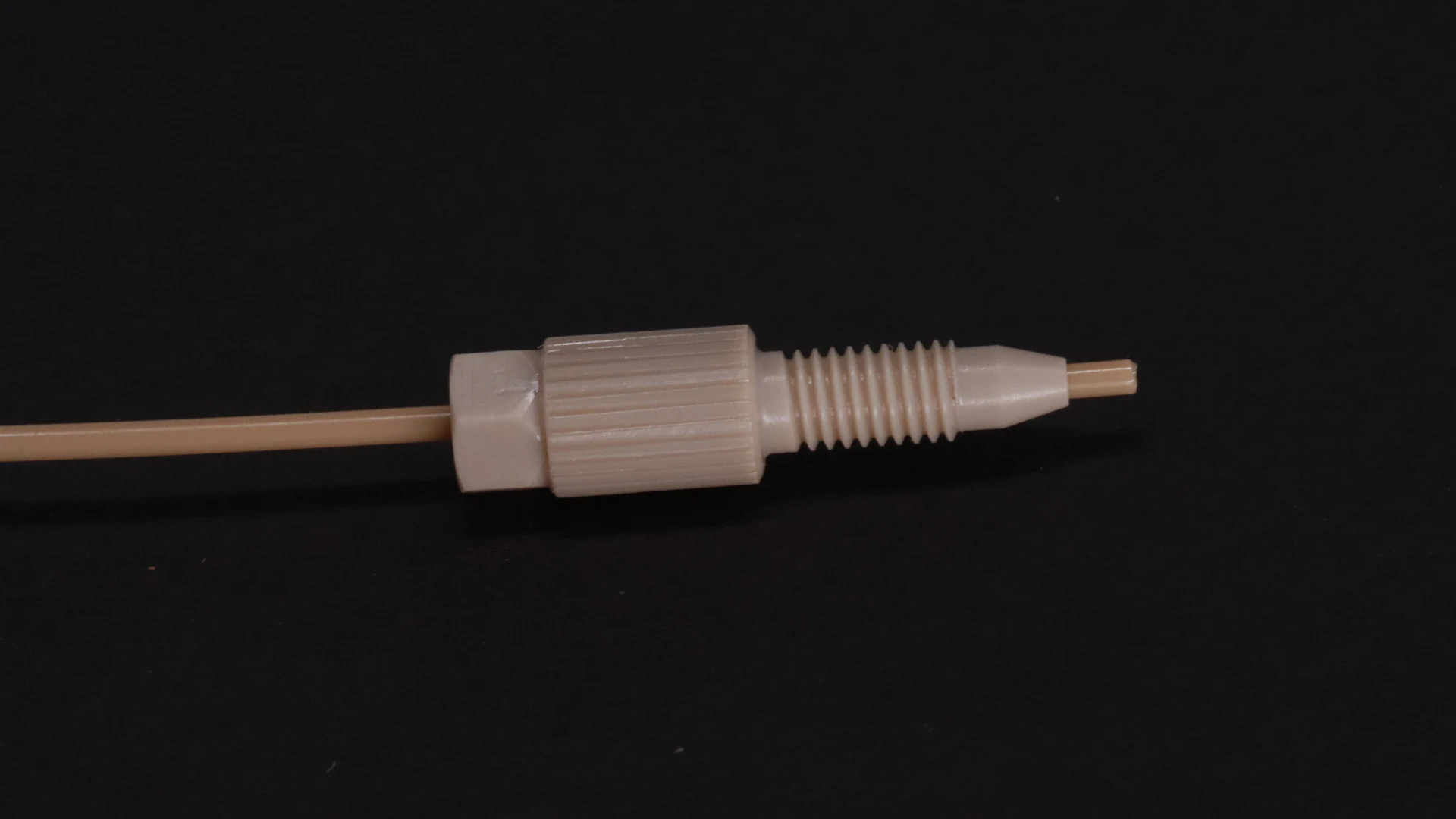

Low-pressure fittings focus on assembly efficiency and sealing reliability, while high-pressure fittings require stronger structure, sealing design and pressure stability.
Share your media, pressure range, tubing size, application conditions or drawings with Foreach for product matching and technical confirmation.